Why People Don't Trust Systems
We often blame people.
"They don't follow rules."
"They are careless."
"They lack awareness."
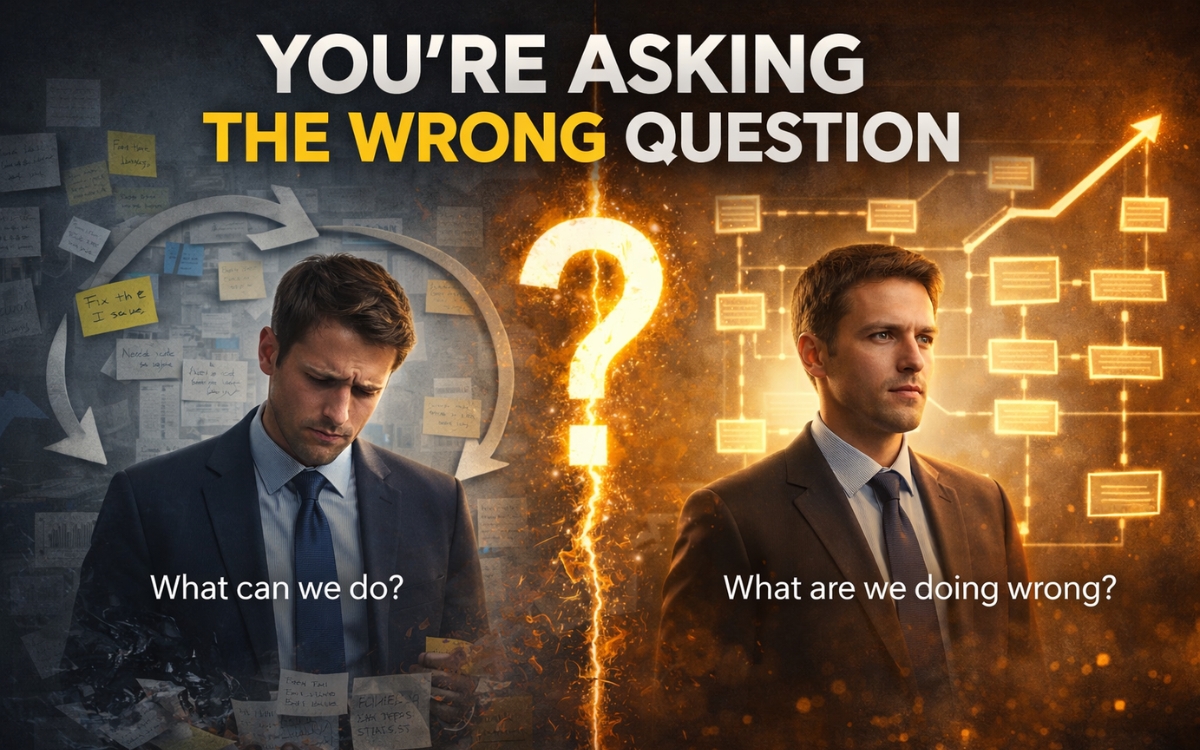
But the real question is different.
Why should people trust a system that doesn't work for them?
When a system is:
- hard to access
- slow to respond
- unclear in process
- inconsistent in outcomes
people don't reject it emotionally.
They reject it rationally.
Over time, they create alternatives:
- informal networks
- shortcuts
- workarounds
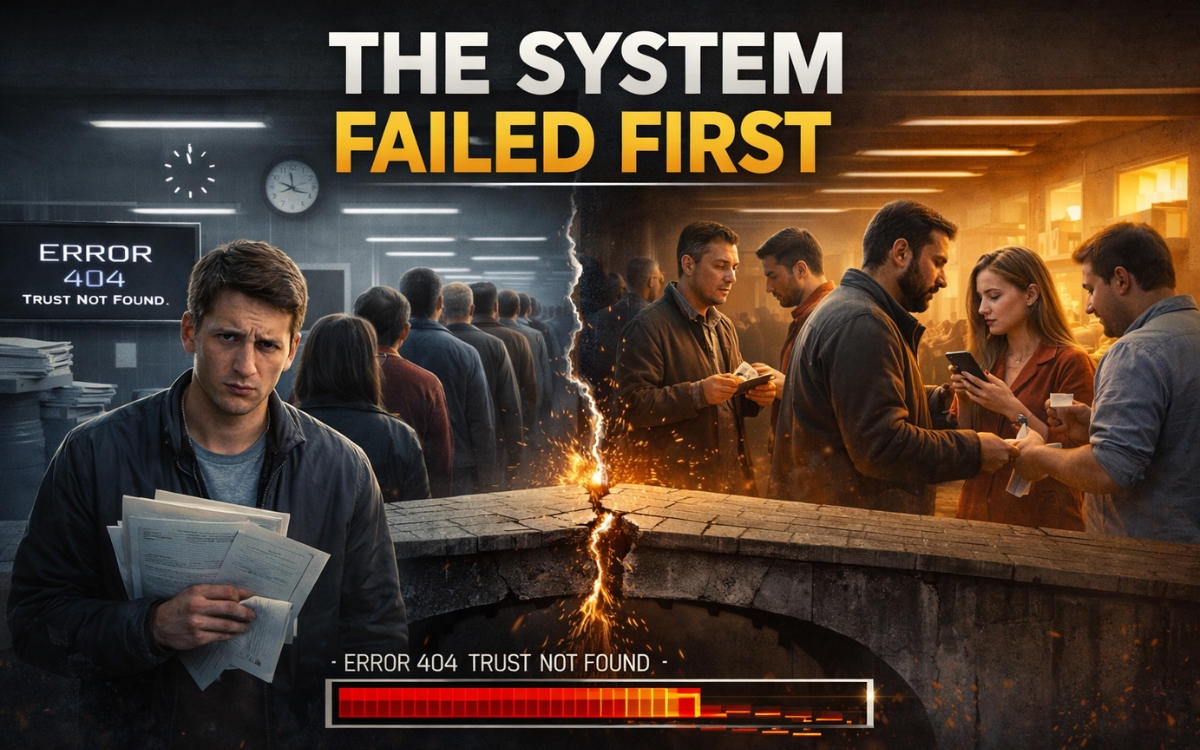
Not because they want to break the system,
but because the system failed them first.
Trust is not built through instructions or campaigns.
It is built when:
- systems are predictable
- outcomes are visible
- people feel included
A system that works consistently does not need to demand trust.
It earns it.
And once trust is built, compliance becomes natural — not forced.